
E-invoicing: what applies from 2027 and what you should do now
Many businesses still do not know that e-invoicing is becoming mandatory. The good news: the switch is easy to plan.

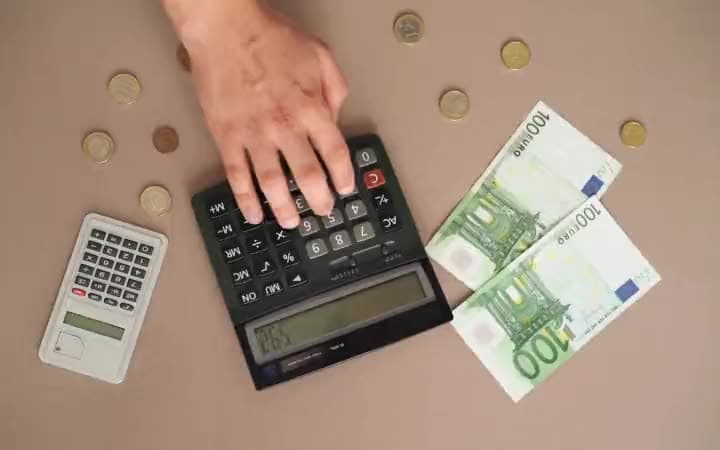
In Germany, electronic invoicing is becoming mandatory step by step for invoices between businesses within the country. That affects almost every company, from tradespeople to agencies. If you start early, you avoid stress later.
What is an e-invoice?
An e-invoice is not a PDF you send by email. It is a structured data record that software can read automatically, based on the European standard EN 16931. Common formats are XRechnung and ZUGFeRD (version 2.0.1 or later). A plain PDF is only a digital picture of an invoice and does not count.
What applies when?
- Since January 1, 2025: All businesses must be able to receive e-invoices.
- Until December 31, 2026: Paper and PDF are still allowed for sending.
- 2027: If your turnover in the previous year was at most €800,000, you may still use paper and PDF. Everyone else must issue e-invoices.
- From January 1, 2028: The obligation applies to everyone.
You must be able to receive today. Only for sending do you still have time.
What is exempt?
No e-invoice is needed for invoices up to €250, for tickets and for sales to private customers. Small businesses under § 19 UStG do not have to issue e-invoices but must also be able to receive them.
Why waiting can get expensive
E-invoices must be stored electronically in their original format for eight years, a printout is not enough. And faulty invoices can, in the worst case, put your customer's input VAT deduction at risk. The Federal Ministry of Finance has just added to the rules again, in mid-October 2026. So it is worth clarifying the details with your tax advisor.
What you can do now
- Check whether and from when you are affected. Your turnover in the previous year decides.
- Test receiving: where do e-invoices arrive, and who checks and archives them?
- Ask your software provider whether it can issue XRechnung or ZUGFeRD.
- Update customer data and contracts if invoices will be sent differently in future.
- Sort out archiving so everything stays readable for eight years.
How we help
If your software cannot do e-invoicing, we build the feature in, at a fixed price and tested on a staging environment before it goes live. We also look together at where you stand and show which step makes sense next.
Not sure where you stand? Let's talk for 30 minutes, free of charge.
As of October 24, 2026. This is not legal advice, please clarify individual cases with your tax advisor.
Sources: ETL, Haufe, MB Kanzlei.

Written by
AmanullahKeep reading


PHP2Shell: what the new PHP flaw means for your website, without panic
Two critical flaws in PHP became public this week. The good news: updates exist, and you can act today.

Modernising legacy software without a full rebuild
Legacy software still runs, but it slows you down. A full rebuild is expensive and risky. There is a middle way: check first, then rebuild selectively.

What a website really costs: fixed price instead of surprises
Many hesitate to ask because they fear hourly rates and extra bills. Here is how we price, and what is included.